Pro Wrestling School Insurance: Understanding Liability Challenges and Building a Smarter Risk Management Plan
Operating a professional wrestling school has never been simple—but in recent years, securing proper liability protection has become increasingly difficult. Due to the physically demanding nature of professional wrestling and the sport’s long litigation history, many insurance carriers have either restricted coverage or completely exited the market.
As a result, wrestling school owners are left navigating limited insurance options, rising premiums, and policies that often fail to cover the very activities their businesses are built around.
This article explains:
Why general liability insurance for pro wrestling schools is so hard to obtain
What coverage gaps business owners must understand
Why waivers alone are not enough
How layered risk management strategies can reduce exposure
A practical action plan wrestling school owners can implement immediately
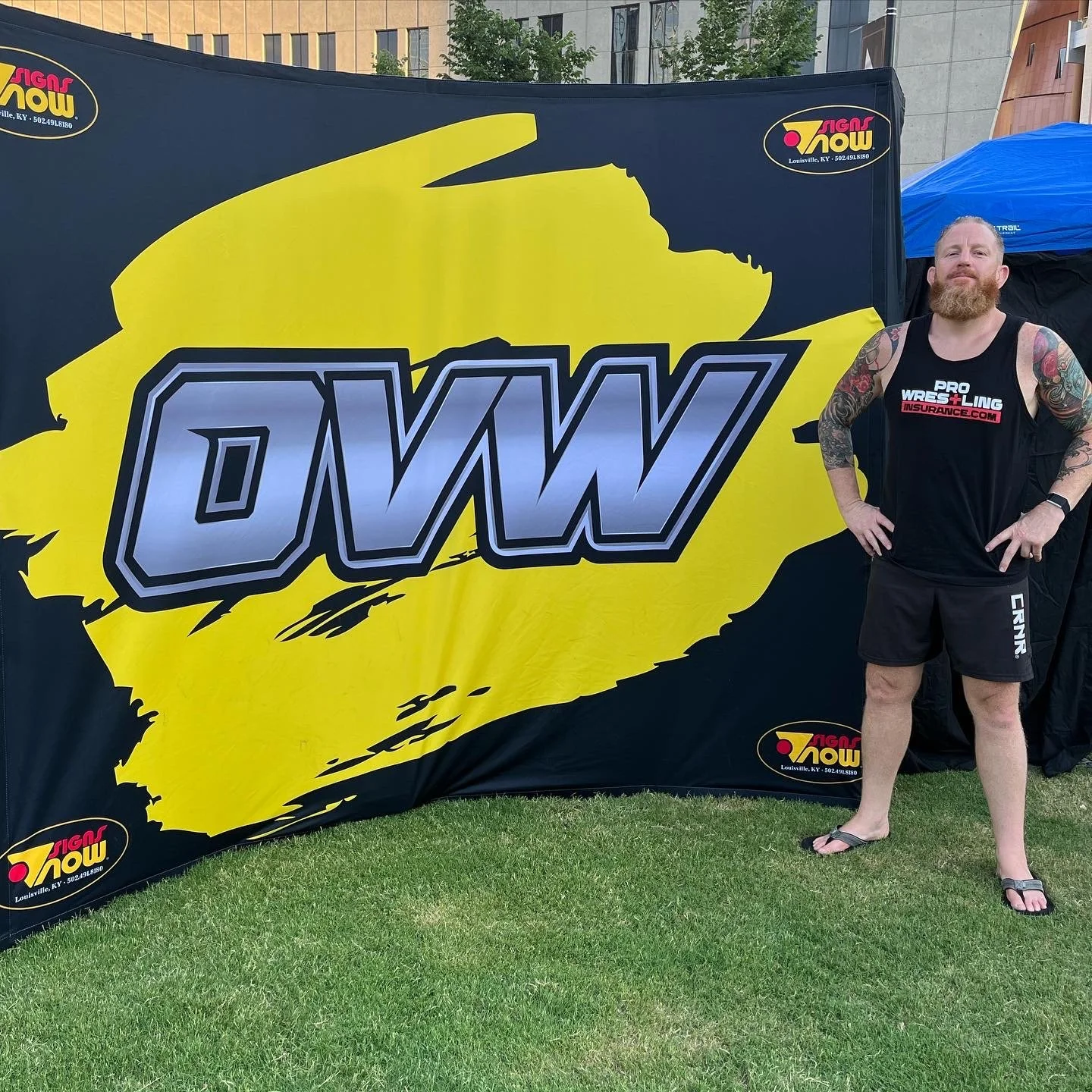
Chris Martin is the broker and risk management consultant for OVW in 2025.
Why General Liability Insurance for Pro Wrestling Schools Is So Limited
General liability insurance for professional wrestling schools has become intrusively restrictive. Many carriers that previously insured wrestling schools have stopped entirely, citing:
High injury frequency
Severity of claims
Legal complexity surrounding athletic participation
Currently, only a handful of carriers remain willing to offer general liability coverage. Even then, these policies typically:
Cover premises liability only
Exclude athletic participation
Exclude training, instruction, and in-ring activity
This means the most dangerous—and most essential—parts of operating a wrestling school are often not covered.
Why Wrestling Schools Still Purchase General Liability Coverage
Despite these exclusions, most wrestling school owners are required to carry general liability insurance to:
Secure a lease
Comply with landlord or venue requirements
Operate legally
Even though the policy may not protect against training-related injuries, owners must still purchase it to satisfy contractual obligations.
Typical Costs
Annual premiums usually range from $3,500 to $8,000, depending on:
Facility size
Geographic location
Number of participants
Claims history
This creates frustration for owners paying high premiums for limited protection.
The Risk of Relying Solely on Participant Waivers
Many wrestling trainers assume that signed waivers fully protect them from liability. While waivers are essential, they are often misunderstood.
Waivers:
Do not prevent lawsuits
Do not guarantee legal defense wins
Can be challenged in court
In reality, waivers represent only the first level of risk management, not a complete solution.
Why Wrestling School Owners Need Layered Risk Management
Because traditional insurance options are limited, successful wrestling schools rely on layered risk management strategies. These strategies aim to:
Reduce injury-related financial exposure
Demonstrate informed consent
Shift certain medical risks away from the business
One effective approach combines structured onboarding procedures with individual participant accident insurance.
Step One: Implement a Formal Student Onboarding Process
A documented onboarding process helps establish transparency and accountability.
Recommended onboarding steps include:
A required onboarding meeting explaining the inherent risks of professional wrestling
Execution of properly written liability waivers and disclosures
Completion of required safety training or orientation
Documentation of all steps taken
This process reinforces informed consent and demonstrates that the business takes participant safety seriously.
Step Two: Require Individual Personal Injury Insurance for Students
Another powerful layer of protection is requiring students to carry individual personal injury insurance.
These programs:
Are individually owned by the participant
Are underwritten through AFLAC
Have no exclusions for professional wrestling
Closely resemble accident, injury, and death policies required by state athletic commissions
In fact, many athletic commissions mandate similar coverage for professional events such as boxing and, in some states, professional wrestling (including New York).
How These Policies Work
Students enroll individually through this provided link https://benefitawareness.insxcloud.com/Wrestlers/get-a-quote
Students sign an attestation form acknowledging the dangers of training
Coverage must remain active as a condition of participation
Cost and Benefits
These policies typically cost around $30 per month and provide:
Coverage for new accidental injuries during training
24-hour coverage, on and off the mat
Accidental death benefits
Cash payments made directly to the participant, not providers
Because these are supplemental policies, they pay in addition to any other insurance the participant has—or doesn’t have.
Why This Reduces Risk for Wrestling School Owners
When students have their own accident coverage:
Medical bills are less likely to come back to the school
Financial disputes following injuries are reduced
The business removes a key trigger for lawsuits
This creates an individual accidental medical safety net for participants while reducing exposure for the business owner.
Action Plan for Pro Wrestling School Owners
Immediate steps you can take:
Review your current general liability policy
Identify exclusions related to athletic participation and training
Implement a documented onboarding process
Risk explanation meeting
Waivers and disclosures
Safety orientation
Require individual accident insurance for all students
Make enrollment a condition of participation
Use attestation forms to document understanding
Maintain records
Keep onboarding documentation and insurance attestations on file
Consult professionals
Work with risk management and insurance specialists familiar with combat sports
Important Compliance Disclaimer
This article is for educational and informational purposes only and does not constitute legal, insurance, or financial advice. Insurance availability, coverage terms, and legal requirements vary by state and carrier. Business owners should consult licensed insurance professionals and legal counsel to determine appropriate coverage and compliance for their specific operations.
Call to Action
If you operate a professional wrestling school and are struggling with insurance limitations or liability exposure, now is the time to reassess your risk management strategy.
Implement participant accident coverage and onboarding procedures designed specifically for professional wrestling schools.
Protect your students, your trainers, and your business—without relying on incomplete insurance solutions.